Despite notable strides in democratic development, the Maldives continues to face significant gender disparities in political representation. Women in the country face a complex web of challenges that hinder their full participation in electoral processes and political leadership. These barriers are rooted in structural, socio-cultural, psychological, and digital domains, creating a landscape where female voices remain underrepresented and often marginalized.
The numbers speak volumes. Women currently hold only 4.6% of seats in the People’s Majlis, placing the Maldives among the lowest globally for female parliamentary representation. This imbalance is not due to a lack of capable women, but rather a reflection of systemic barriers that discourage and disadvantage female candidates. Political parties, which serve as gatekeepers to elected office, often fail to prioritize gender inclusion. Training programs and candidate support structures are limited, and when they do exist, they are typically driven by civil society organizations rather than institutional mandates.
While the Decentralization Act introduced a 33% quota for women in local councils—a commendable step—the absence of similar measures at the national level leaves a significant gap. Without structural reforms, the path to parliament remains steep for Maldivian women.
Beyond institutional hurdles, socio-cultural norms deeply influence women’s political participation. While there is little literature on challenges faced by women to pursue political careers and participate in elections, a policy brief published by Maldives Policy Think Tank in 2024 sheds light on the underlying factors driving gender inequality in the Maldivian workforce. Although many women achieve formal education, their participation in the economy remains limited due to domestic responsibilities that restrict access to higher education and professional development. This often results in the erosion of their existing skills and work experience. Societal expectations continue to reinforce the notion that women should prioritize unpaid domestic work and family obligations over career ambitions. Cultural norms further shape women’s choices in education and employment, with sectors like tourism seeing notably low female representation. Regardless of their qualifications or employment status, women’s reproductive and caregiving roles significantly reduce their time and ability to engage in formal economic activities. The lack of childcare and eldercare services intensifies this burden, perpetuating traditional gender roles. Moreover, geographic isolation and limited mobility pose additional barriers to employment, leading many women to opt for home-based work as a practical alternative.
Public attitudes reflect this conservatism. A 2024 perception study by the Human Rights Commission of the Maldives, conducted ahead of the parliamentary elections, revealed that 63% of the 1,174 respondents across the country felt that women are underrepresented in politics. Meanwhile, 25% considered the current level of female representation to be adequate, and 3% believed that women should not participate in politics at all. Among the 22% who expressed a preference for male representatives, many cited religious views, arguing that politics is unsuitable for women and that men and women should not share professional spaces. Within this group, 8% believed women lack the time to commit to political responsibilities, while 6% questioned their leadership capabilities. Interestingly, of the 42% who supported women in public office, most attributed their suitability to emotional intelligence and empathy, rather than leadership skills or personal attributes.
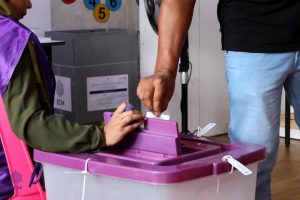
Even when women do engage in the electoral process, they often face subtle forms of coercion. Anecdotal reports suggest that some women are pressured by family members to vote for specific candidates, with threats ranging from social ostracism to divorce. These dynamics undermine the principle of free and fair elections and highlight the need for greater voter education and protections.
Moreover, many women cite low self-confidence—especially in public speaking and campaigning—as a barrier to running for office. This is not a reflection of capability, but of a society that has not nurtured women’s voices in the public sphere.
As political discourse increasingly moves online, women face a new wave of challenges in the digital realm. Female politicians and activists in the Maldives are frequently targeted by cyber abuse, including smear campaigns, non-consensual sharing of private images, and sexualized threats. The psychological toll of such harassment often leads to withdrawal from public life, silencing voices that are crucial to a vibrant democracy.
Examining the political landscape in the Maldives reveals a noticeable lack of policy-driven efforts to promote meaningful participation of women in politics and electoral processes. Although women are actively engaged at the grassroots level of political parties and frequently express their views on social media, they continue to face substantial structural and institutional barriers that limit their involvement in formal political roles. Public sentiment increasingly reflects concern that women are being used symbolically—as tools for political messaging or as figureheads to signal support for gender equality—rather than being genuinely empowered or supported to lead. This performative approach undermines the credibility of political commitments to women’s rights and reinforces skepticism about the sincerity of such initiatives.