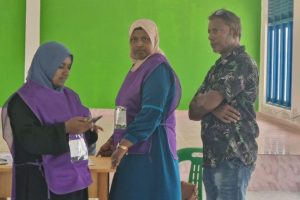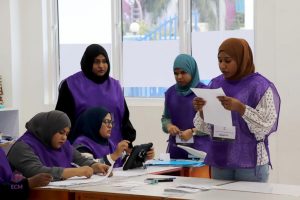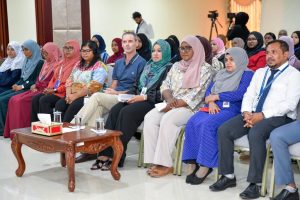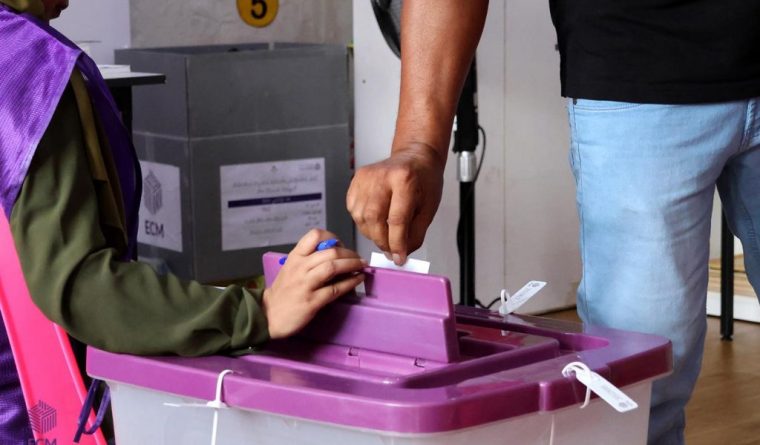
The Maldives, well-known for its stunning landscapes and commitment to democratic principles, must provoke a critical issue; ensuring that every citizen can fully exercise their right to vote. While the act of voting is a fundamental pillar of democracy, its true essence is compromised when significant portions of the population are effectively shut out. This is the reality for many in the Maldives, where the voices of individuals with disabilities and other marginalized groups are frequently muted by systemic barriers to access.
Historical election cycles have highlighted these challenges. The last presidential election, for instance, saw a person with special needs unable to vote because of a lack of wheelchair access at a polling station. This denial of access directly undermined their fundamental right to participate in the democratic process. Similarly, deaf persons have struggled to obtain election information, unable to fully hold the expression of candidates’ platforms and policy proposals.
These are not exceptional incidents but rather indicators of a broader problem; a system that has not yet fully adapted to accommodate the diverse needs of all its citizens. The Election Commission has made some efforts, but much more needs to be done.
To address these limitations, a collaborative effort involving the government, political parties, and the broader community is crucial. Polling stations must be physically accessible, with ramps, accessible voting booths, and other essential accommodations. Election materials should be available in various accessible formats, including Braille, large print, and sign language interpretation. Political parties must prioritize inclusive campaigns, ensuring that their messages are accessible to all segments of society. This includes providing information in multiple languages and formats and engaging with community organizations that support marginalized groups.
Furthermore, voter education programs should be inclusive, reaching out to all citizens, including those with disabilities, to ensure they understand their rights and how to exercise them. Only through such comprehensive measures can the Maldives truly uphold its democratic values and guarantee that every voice is heard and valued. The goal should be to create an electoral system that is truly representative of the entire population, where every citizen feels empowered to participate fully.