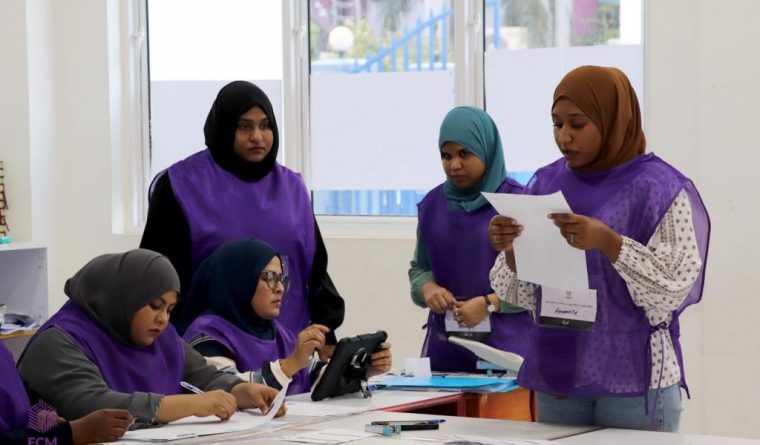
In the Maldives, democracy is still maturing, shaped by waves of reform, civic activism, and digital transformation. Yet one of its most vital pillars—youth engagement—is showing signs of erosion. Gen Z, born between the late 1990s and early 2010s, is increasingly disengaged from politics, posing a serious threat to the country’s democratic future. Despite being the most digitally connected and socially aware generation, many young Maldivians are turning away from formal political participation. This disengagement is driven by a combination of disinterest, disillusionment, and social pressure.
Data from the Elections Commission indicates that voter turnout for the 2024 parliamentary elections stood at 76.27%, reflecting a broader sense of public distrust in the political system. According to the 2022 National Survey of Residents of the Republic of Maldives, conducted by the International Republican Institute, 94% of youth believe that young people should play a greater role in political decision-making. However, only 47% felt that their local councils were effectively engaging with the community. These findings highlight an urgent need for civic education initiatives that empower young Maldivians to discover pathways for political involvement and amplify their concerns within the democratic process.
Politics is often perceived by Gen Z as distant, irrelevant, or tainted by corruption and elitism. Many feel that political debates fail to address the issues that matter most to them, such as climate change, mental health, education reform, and employment. A growing number of young people believe their votes don’t make a difference, a sentiment fueled by repeated political instability, broken promises, and the dominance of established figures who rarely reflect youth perspectives. In many households, political opinions are shaped by elders, leaving little room for independent thought. Young people may be discouraged from expressing dissenting views or participating in political activities, especially when those views challenge traditional norms. For young women, these challenges are compounded by gender expectations that discourage public leadership and political ambition.
Although a handful of determined young individuals in the Maldives remain politically active and outspoken, they often face relentless online harassment and criticism, which discourages others from stepping forward. The recent youth-led protest serves as a stark example: those at the forefront were subjected to smear campaigns and threats, while a police crackdown resulted in arrests that ultimately fractured the movement. This incident highlights the reality that young people possess strong voices and immense potential, yet often lack the political experience and organizational skills needed to sustain collective action—leaving them vulnerable to being dismissed or discredited by politicians.
This democratic disconnect matters deeply. When young people disengage, the political system loses its vitality, diversity, and long-term vision. Gen Z represents not only the future electorate but also future leaders, innovators, and changemakers. Their absence from political processes weakens accountability, stifles reform, and risks entrenching outdated power structures. Reversing this trend requires more than urging youth to vote—it demands a comprehensive strategy to empower, educate, and engage.
Civic education must be integrated into school and university education to help students understand how government works, why participation matters, and how to critically evaluate political platforms. Media literacy is equally essential in an age of misinformation and digital manipulation, equipping young people to distinguish fact from propaganda and engage in informed debate. Creating safe, inclusive platforms for political discussion—both online and offline—can help Gen Z express their views, connect with peers, and influence policy. Political institutions and civil society must also meet Gen Z where they are: on Instagram, TikTok, and X. Creative, issue-driven campaigns can spark interest, build trust, and mobilize action. Finally, political parties should actively recruit young candidates, establish youth wings with real influence, and ensure that youth voices are reflected in decision-making processes.
Gen Z in the Maldives is not apathetic—they are disillusioned. They care deeply about their communities, their environment, and their future. What they need is a political system that listens, responds, and evolves. Re-engaging this generation is not just about saving democracy—it’s about building one that truly belongs to everyone.